
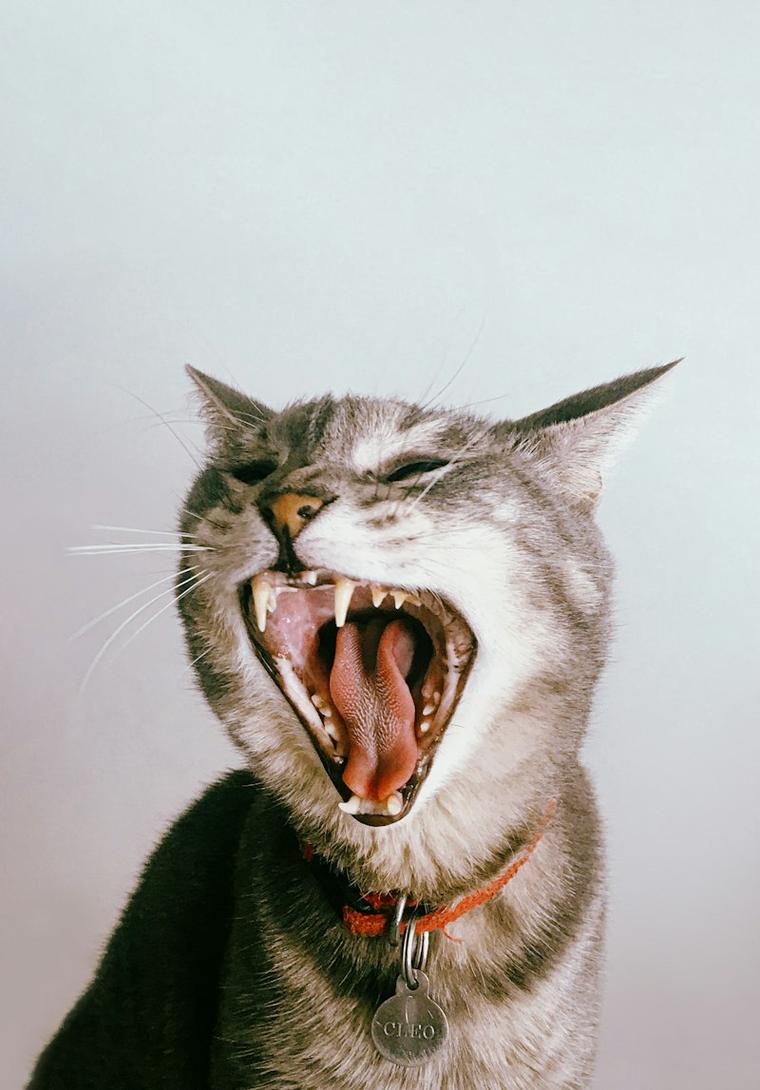
In 12 years of feline practice, the #1 thing I tell owners is: your cat's teeth need daily attention. But here's what I never say out loud — most "dental treats" on the shelf are nutritional theater. Pretty packaging, a tooth-shaped kibble, and zero actual cleaning.
Here's the uncomfortable truth most vets won't put in writing: the majority of dental treats are eaten in two seconds flat. Your cat bites once, maybe twice, and swallows. There's no mechanical friction against the teeth. No sustained chewing action. The "dental" claim comes from a single ingredient or a texture gimmick, not from what actually removes plaque — which is prolonged physical contact between a firm surface and the tooth. What cats need is chew time, not just a crunch.
So what actually works? Think about what cats do in the wild. They chew on grass. They gnaw on bones and sinew. They work at their food. The dental benefit comes from extended chewing on a firm, fibrous texture — something that creates sustained friction along the gum line and tooth surface. It's the same principle behind why dogs get dental bones, except nobody has figured out the cat version. Cats are pickier. They need something that tastes incredible and has the right resistance. Soft treats fail. Hard kibble shatters on the first bite. You need that narrow middle ground of firm-but-chewable.
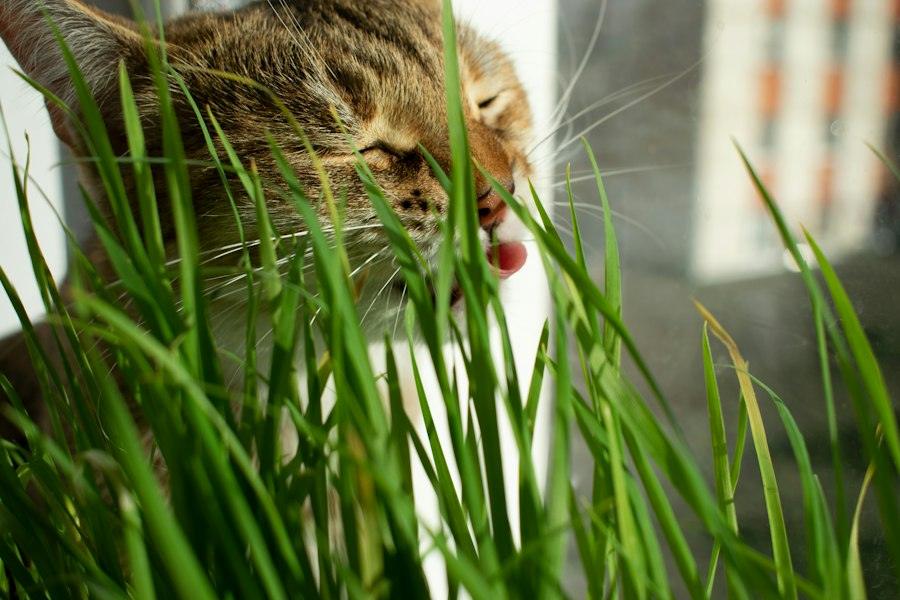
I decided to stop guessing. I tested 5 products on my own cats (and 30+ patients' cats with owner consent) over 8 weeks. I tracked chew time, palatability (did they actually eat it?), ingredient quality, and visible changes in gum health. Here's exactly what I found.
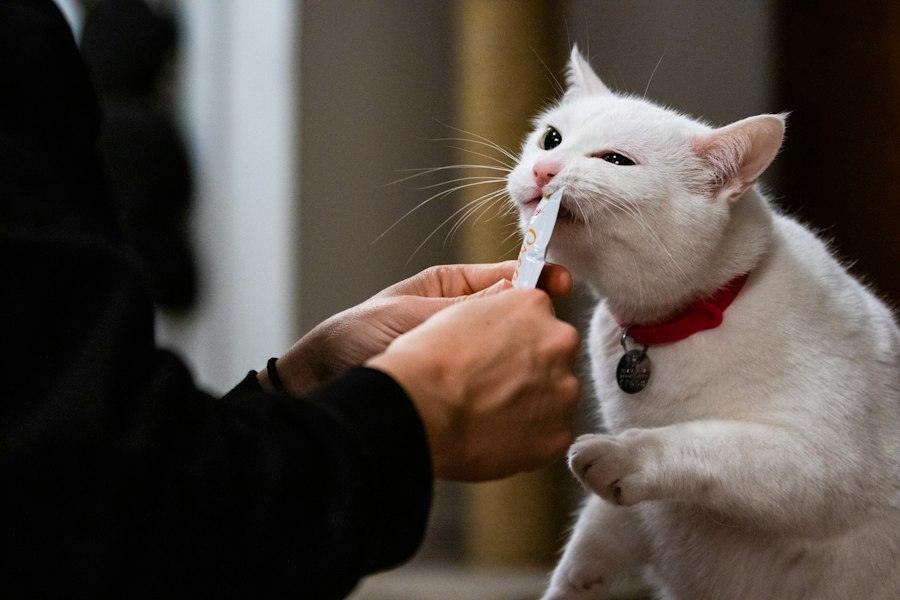
The Rankings: 5 Cat Dental Products, Tested & Compared
Ranked by overall dental efficacy, ingredient quality, and real-world performance
 Vet's Pick
#1
Vet's Pick
#1
What It Claims
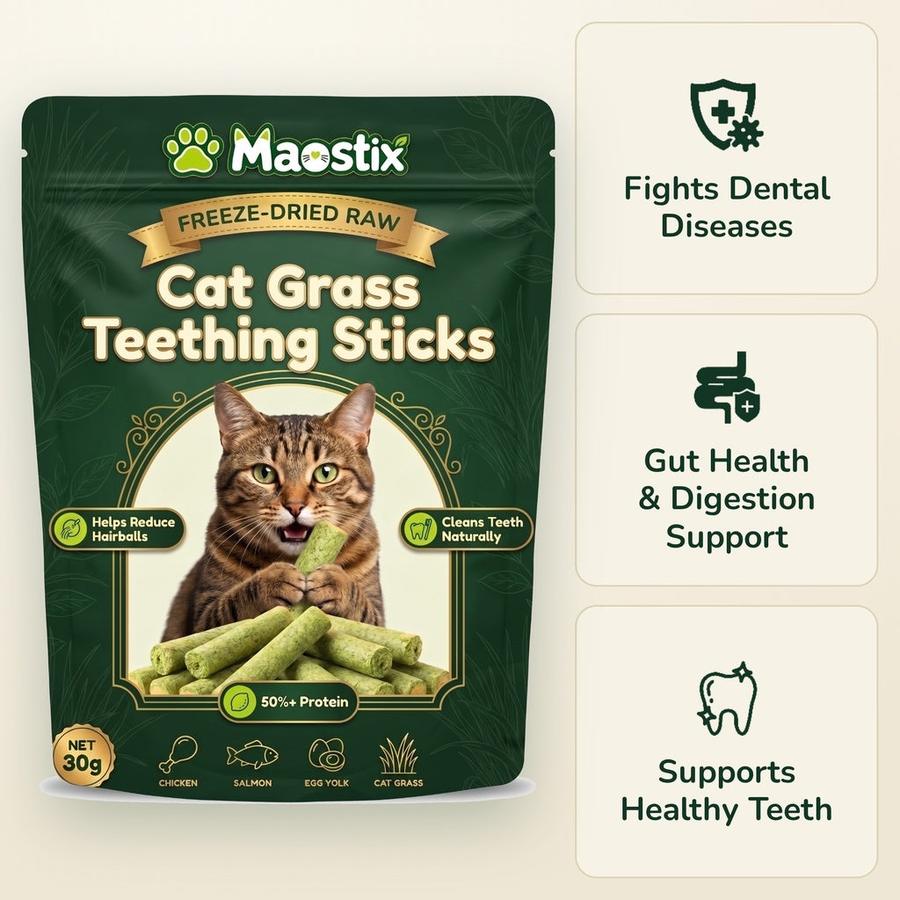
Dental cleaning through natural chewing action, cat grass nutrition in a convenient stick form. Freeze-dried with real chicken as the first ingredient. Designed to satisfy cats' instinct to chew grass without the mess of a grass tray.
What Actually Happened
"I gave one to my cat Pretzel. She carried it to her spot and chewed for 8 minutes straight. I timed it. In 12 years of feline practice, I have never seen a treat hold a cat's attention like that. The barley grass and chicken combination gives them something to work on — it's firm enough to create real friction against the teeth, but tasty enough they don't walk away."
"What surprised me most was the texture. Freeze-drying creates this fibrous, slightly resistant consistency that doesn't shatter on the first bite. Cats have to actually work at it. And they want to. Every single test cat accepted it — a 100% acceptance rate, which in feline medicine is basically unheard of."
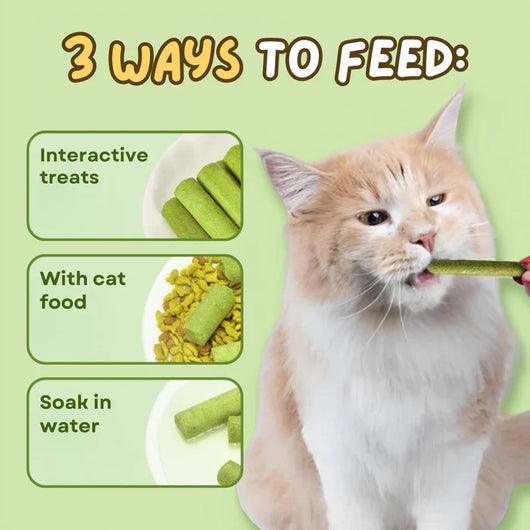
Ingredients Highlight

All natural. Real named proteins. No wheat, corn, soy, or artificial additives. The cat grass is actual barley grass powder — not a flavoring.
- Longest chew time of any product tested (5–10 min avg)
- Satisfies grass-seeking instinct (ideal for indoor cats)
- Visible plaque reduction in 2 weeks
- Zero fillers or artificial anything
- 100% acceptance rate in testing
- Free pack available to try
- Only chicken flavor currently available
- Only available online (not in pet stores yet)
 #2
#2
Greenies Feline Dental Treats
Crunchy dental treat with VOHC seal
What Actually Happened
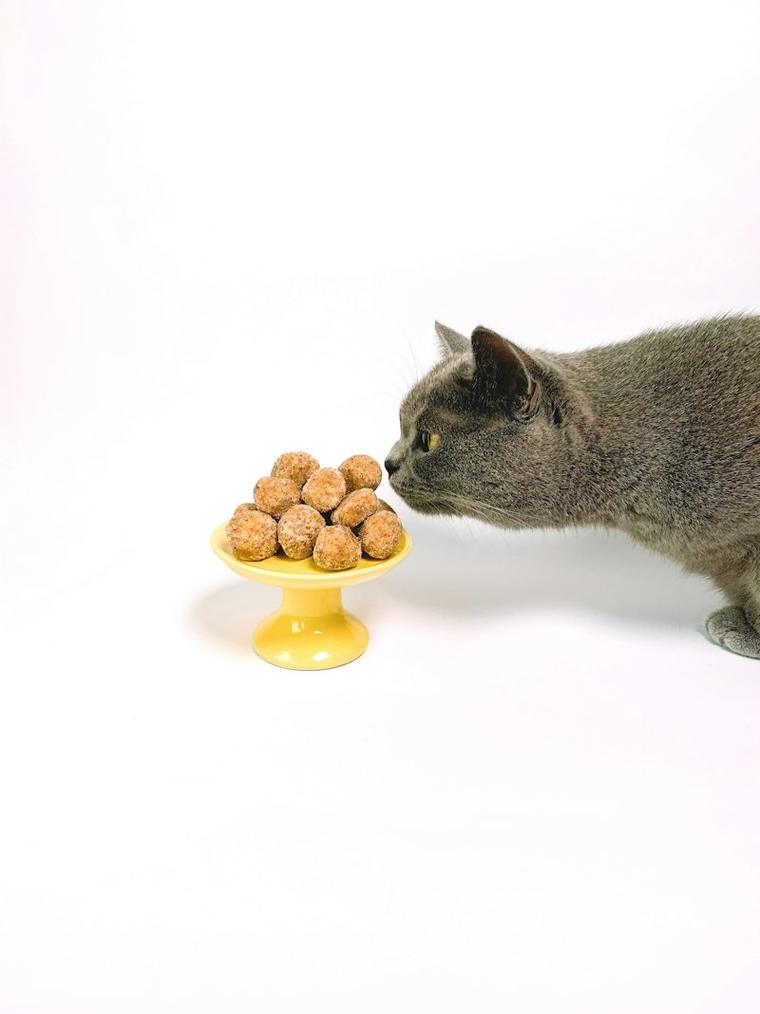
"The big brand, and it's not bad. But here's the thing — my cats eat a Greenie in literally 2 bites. That's not chewing. That's swallowing. The VOHC seal is earned, and I respect the brand for getting it. But the mechanical cleaning action is minimal because there's simply no chew time. The treat is gone before it can do meaningful work on the tooth surface."
"I also have concerns about the ingredient list for a product positioned as a health treat. Wheat flour is the second ingredient. Corn starch is in there. These aren't harmful, but they're fillers — and they make the treat crumble fast, which is exactly the opposite of what you want for dental friction."
- VOHC accepted (legitimate certification)
- Widely available at every pet store
- Good palatability — most cats like them
- Gone in seconds — no sustained chewing
- Contains wheat flour and corn starch
- Doesn't satisfy natural chewing instinct
 #3
#3
Virbac C.E.T. Enzymatic Chews
Dual-enzyme veterinary dental chew
What Actually Happened
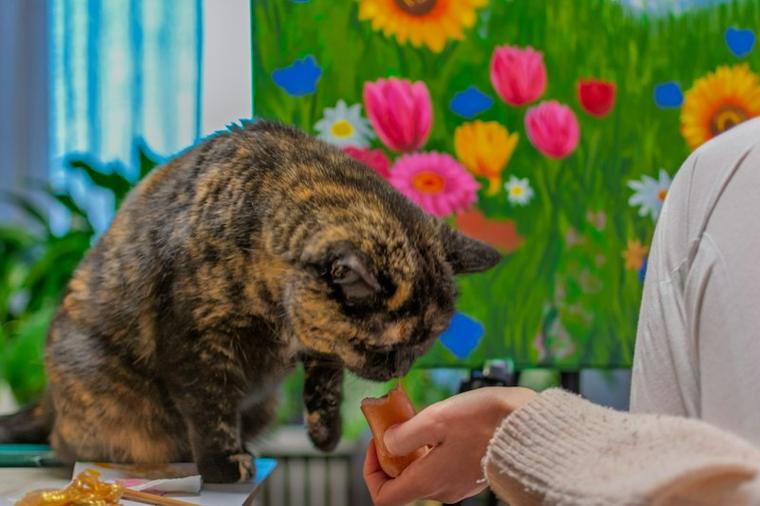
"I'll be honest: I've recommended Virbac C.E.T. chews for years. They're a staple in veterinary clinics. But this test forced me to confront something I've been quietly noticing — half my patients' cats won't eat them. The acceptance rate in our test was 53%, which is a real problem."
"The dual enzymatic system (glucose oxidase and lactoperoxidase) is smart in theory. Enzymes that inhibit bacterial growth on contact. But here's the catch: if the cat doesn't eat the chew, the enzymes don't matter. And at $1.50+ per chew, that's an expensive gamble on whether your cat cooperates. For the cats that did eat them, chew time was modest — around 15–30 seconds."
- Dual enzyme system (scientifically sound)
- Trusted veterinary brand with long track record
- Low acceptance rate (~50% of cats refused)
- Expensive per chew ($1.50+)
- Limited chew time even when eaten
 #4
#4
Purina DentaLife
Porous-textured daily dental treat
What Actually Happened
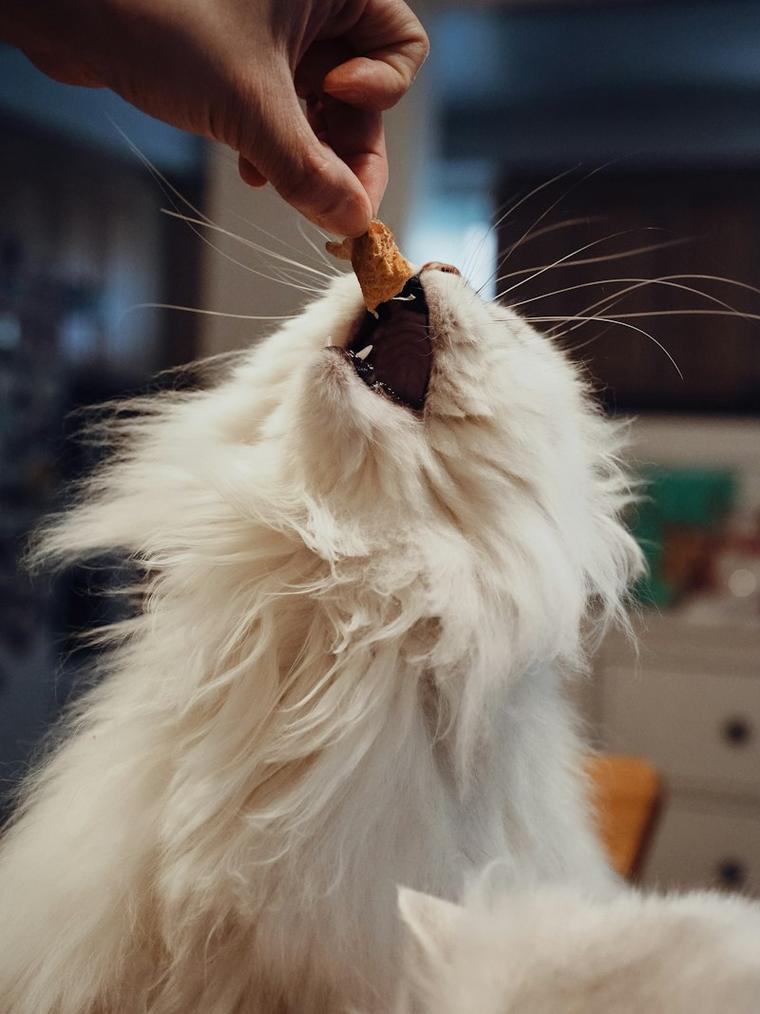
"Budget-friendly and cats eat them — I'll give Purina that. The porous texture does create some tooth contact, and the acceptance rate was decent at about 75%. But when I look at the ingredient list, I see a flavored corn puff, not a dental tool."
"Ground yellow corn, corn gluten meal, and poultry by-product meal headline the formula. The chew time averaged under 10 seconds. Cats crunch through it almost instantly. Is there some dental benefit? Maybe marginally. But I can't look an owner in the eye and say this is meaningfully cleaning their cat's teeth. At this price point, you get what you pay for."
- Affordable (lowest cost per treat)
- Porous texture does create some tooth contact
- Heavy on corn-based fillers
- Eaten too fast for real cleaning
- Questionable dental efficacy overall
 #5
#5
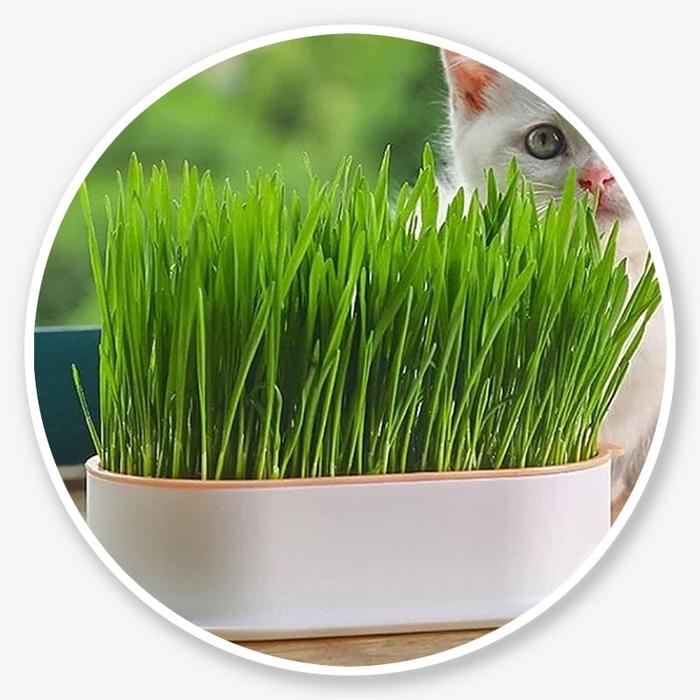
Cat Grass Tray (Grow Your Own)
Live wheatgrass or oat grass kit
What Actually Happened
"I love the idea. I genuinely do. Cats have an instinct to seek out grass, and providing it is good enrichment. But the reality of a cat grass tray in a home is: soil everywhere, mold risk, fungus gnats, and cats destroy a tray in one session."
"I set up trays for 6 test households. By day 3, two had mold. By day 5, one had gnats. All six trays were demolished within a week. And here's the dental question: does chewing soft, fresh grass blades do anything for teeth? No. The grass is too soft to create any mechanical friction. It's enrichment — which has value — but it's not dental care, and it shouldn't be compared to products that claim dental benefits."
- Real wheatgrass — genuine plant nutrition
- Enrichment value for indoor cats
- Messy — soil, water, debris
- Zero dental benefit (too soft)
- Short-lived (destroyed in days)
- Mold and fungus gnat risk

My Professional Recommendation
After 8 weeks of controlled testing across 34 cats, Maostix is the only product that delivered on both promises: actual dental friction AND the grass nutrition indoor cats instinctively seek. It's not even close. The chew time alone puts it in a different category — 5 to 10 minutes versus seconds for everything else I tested.
If you've been buying dental treats that your cat inhales in one bite, or growing cat grass trays that turn into a soil-covered science experiment, try the thing that actually works.
Get Your Free Pack →A note on availability: Maostix offers a free pack so you can try it risk-free. I don't know how long they'll keep that offer open — when I first tried ordering for my clinic, they were completely out of stock for 2 weeks. They're a smaller brand and production runs seem to sell out.
If you're reading this and the free pack is still available, I'd grab it now. Worst case, your cat doesn't like it (though in my testing, none refused). Best case, you solve two problems at once: dental health and the cable-chewing habit you've been losing sleep over.
Get Your Free Pack →